
Written by Jared T. Hooper on 25 Feb 2026
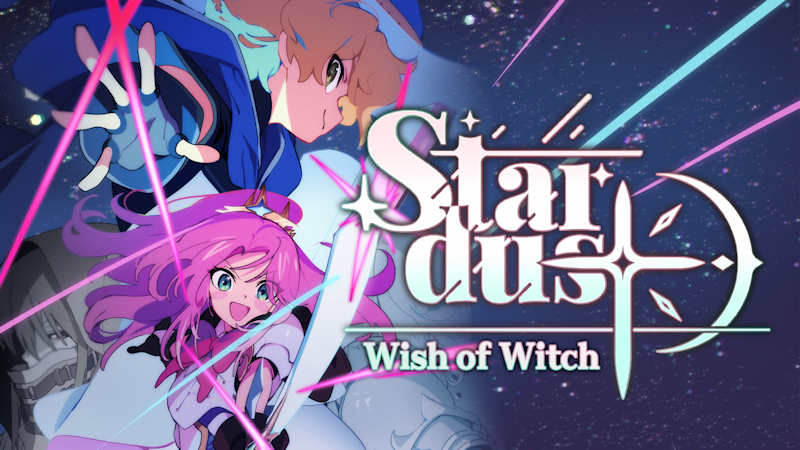
STARDUST: Wish of Witch is an upcoming SRPG that, even though it's coming from an indie team, has incredibly ambitious art and animation, and we had the opportunity for an insightful interview with the game's creator and director, Junha Kim, along with the studio's producer, Jonghyun Hong, to learn about the many influences that birthed STARDUST and the thought processes that molded it.
Where does the main inspiration for STARDUST come from?
The main inspiration behind STARDUST comes from Farland Saga 2, which was released by TGL in 1997. In Korea, the game was released under the title Farland Tactics 2. When I was five years old, my father would sit me on his lap and play this game together with me. That experience became the very first game of my life.
Since then, I have always been waiting for a casual-style SRPG with 2D graphics like that. Even after becoming an adult and working in the game industry, I couldn’t really find a game that captured a similar feeling. It’s possible that I simply didn’t look hard enough. In the end, I decided to make the kind of game I had been searching for myself, and that decision is what led to the development of STARDUST.
What are your inspirations for this game's story, world, characters, and gameplay?
I originally aspired to become an animator. I graduated from a national specialized high school in Korea dedicated to training animators, and for about three years, I worked briefly on animation production. The foundation of my creative inspiration still closely follows the approaches I learned during that time.
First, I was heavily influenced by the dynamic acting techniques demonstrated by Gainax and Trigger, particularly in works such as Gurren Lagann and Kill la Kill. Second, I draw inspiration from the way Kunihiko Ikuhara and Takuya Igarashi handle their works, spanning titles like Sailor Moon, Revolutionary Girl Utena, and Star Driver: Kagayaki no Takuto. These influences played a major role in shaping both the worldview of STARDUST and how that world is presented.
There is also an interesting story behind the inspiration for the gameplay. As you may know, or may not, South Korea requires all adult men to complete mandatory military service. During basic training, the recruits who enter together are forced to live in the same place for an extended period of time. Out of sheer boredom, we began tearing pages out of the notebooks issued by the military and created our own card game.
At the time, Blizzard’s Hearthstone was very popular in Korea. We combined its mana-based card-playing system with tile-based maps inspired by Farland Saga, which I loved as a child. On top of that, we mixed in mechanics from Yu-Gi-Oh!, such as the ability to play “Quick-Play Spells” or “Trap Cards” during the opponent’s turn. And just like that, the prototype of STARDUST, a game called Nonsan Tactics, was born. The name came from Nonsan, the region in Korea where the training camp was located.
During training, a fellow recruit assigned to the bunk next to mine said to me, “When we’re discharged, let’s meet again in the real world and actually make this game.” Normally, promises like that are forgotten once people return to civilian life. But the two of us genuinely saw potential in Nonsan Tactics, and that shared belief eventually became the starting point for founding Kniv Studio.
.png)
Would you mind elaborating on these approaches to creativity your education in animation taught you?
In the early stages of developing STARDUST, I had virtually no formal knowledge of game design theory, planning methodology, or programming. Even my communication for collaborative development was honestly quite poor at the time.
Despite that, there was one tool I could rely on to convey the vision of the finished game to my team: animation.
Instead of writing traditional design documents, I created moving images and GIFs of nearly every scene I envisioned for the game and attached them in place of planning materials. Looking back, it may not have been a particularly refined or “creative” approach—if anything, it was closer to desperately using every tool I had available (lol). But it worked.
When I imagined STARDUST, I wasn’t initially thinking about mechanical systems, balance structures, or pipeline efficiency. I was thinking about the joy of movement. What would it feel like to watch this character act? How would the motion itself communicate impact, emotion, or tension?
The dynamic and expressive animations that players see throughout the game ultimately stem from that mindset. What began as a survival tactic during early development became one of STARDUST’s defining strengths: a game built from the perspective of someone who first imagines it in motion.
What exactly is it from works like Sailor Moon and Revolutionary Girl Utena that shaped your approach to worldbuilding STARDUST?
The protagonist having pink hair. Just kidding.
Of course, works like Revolutionary Girl Utena and Kill la Kill did influence me. But STARDUST draws from so many different animated works that listing every specific influence would probably become excessive.
If I had to identify a core element I absorbed from animation, it would be this: many of the anime and games I love follow a narrative where the protagonist learns to accept themselves and grows through that process. However, I believe there is a meaningful difference in how animation and games express that journey.
If you think about examples like Sailor Moon or Revolutionary Girl Utena, they do not unfold their themes in the most conventional or straightforward way. Their storytelling approach is symbolic, theatrical, sometimes abstract, and deeply emotional. That sensibility had a strong impact on how I approached STARDUST’s worldbuilding and scenario writing.
When writing STARDUST, I tried to create a feeling where players might think, “This really feels like watching an animation.” Whether that intention fully comes across is something players will ultimately have to judge when the full version releases. If I go any deeper into specifics, I might risk spoiling parts of the story.
Who does your team consist of?
The team consists of three programmers, three pixel artists, one director, and one producer who also serves as the studio’s CEO.
How are music and SFX handled? In addition, who made the non-pixel art, like the character portraits and title screen?
The music and sound effects were created in collaboration with composers I was introduced to through friends. When I told them, half-joking but also completely serious, “I’m going to revive the emotional spirit of classic SRPGs like Farland Saga,” they were immediately enthusiastic and agreed to join the project.
We plan to credit all of the composers under their respective artist names in the staff roll, so I hope players will look forward to discovering their work there.
As for the non-pixel artwork, such as character portraits and the title screen, those were also made with the help of close acquaintances. Many of them are people I became friends with during my time in the animation industry. Some of the illustrations were even drawn by currently active professional animators, which added another layer of quality and authenticity to the visual presentation.
How did your team come together?
As mentioned earlier, the core members of the team met during military training. The rest of the team was formed through acquaintances who were already working in the game industry.
How long has the team been working on STARDUST?
The team was founded in August 2022, and we have been developing STARDUST since then. Initially, STARDUST was conceived as a mobile, PvP-focused title. However, in 2024, we made a strategic pivot and shifted development toward a PC version. We have been working on the PC version for about a year and a half, and this year, the game is finally set to be released.
Do you mind sharing what this mobile, PvP-focused STARDUST was like or would've been like?
To be honest, I still have a strong desire to eventually implement PvP into STARDUST. I’m confident it would be incredibly fun—because it actually was.
In the original mobile concept, STARDUST was designed as a 1v1 PvP experience. Each player would select a single character and enter battle with a hidden deck. Unlike the current version, you couldn’t preview your opponent’s card composition beforehand. Matches began with light exchanges as both players tried to read each other’s deck: How many combo cards do they have? How many counter opportunities remain? What is their maximum potential damage output?
For the first three to four turns, it was essentially a psychological scouting phase. Then came the decisive five-mana turn. That was when carefully constructed strategies would finally collide head-on.
One of the biggest differences from the current version was that normal skills could be used repeatedly in a single turn, as long as you had enough mana. In the current PvE design, you can only use one normal skill per turn. Back then, you could pressure your opponent by repeatedly forcing counter decisions, or mix in lighter skills to bait complacency before unleashing a powerful combo chain. It was a system heavily optimized for one-on-one mind games.
When we pivoted toward PvE, we had to significantly rebalance and tone down that structure. However, if I ever get the opportunity to develop a sequel or a new project, I would seriously consider reintroducing that style of combat.
While STARDUST’s full release does not feature PvP, there are several stages where you face off against playable characters in a way that feels very close to a PvP encounter. I think players may still be able to sense fragments of that earlier PvP DNA while playing.
Where does your studio name come from?
The name Kniv Studio comes from a place called Knivskjellodden, a location situated at the northernmost edge of the Eurasian continent. Since we are a studio based in Asia, we chose the name with the aspiration of reaching the very top, metaphorically speaking, by drawing from the name of that place. We later discovered that the word “kniv” also means “knife” in Swedish. We found this particularly interesting, as it aligns well with our desire to create games with sharp, refined gameplay.
What astounds me about the art is how it looks like it would've been made by a team of professionals for the GBA, yet your studio's self-published. Does your team have any funding at all, or is this a passion project by a team of dedicated developers?
From 2022 to 2025, STARDUST was developed entirely as a passion project. During that time, the team continued development driven purely by dedication and belief in the project, without external investment.
In 2025, we secured seed funding, which became a major turning point. That investment allowed us to significantly improve the game’s overall quality, strengthen the production pipeline, and ultimately make it possible to move toward release this year.
In addition, participating in government-supported development programs in Korea played an important role. These programs helped us maintain the size of the development team and ensured continuity throughout the long development period. Rather than changing the creative direction of the project, this support allowed us to keep building STARDUST in a stable and sustainable way.
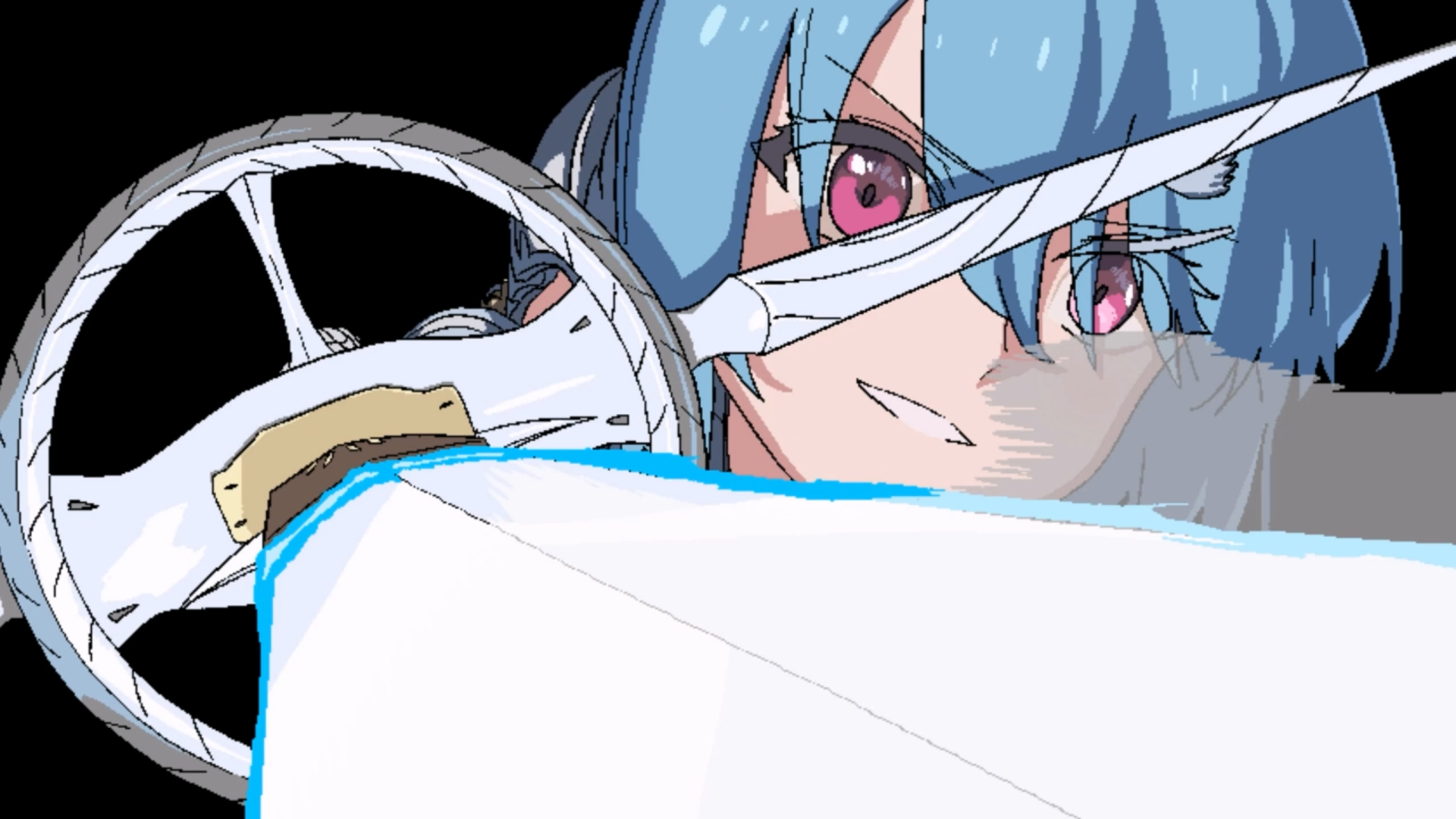
Were there any inspirations for the artstyle, and what inspired your artist(s) to go above and beyond with the details to character designs and animations, including the cut-ins for each party member's ultimate?
As I mentioned earlier, I come from a background as a commercial animator, and I approached the development of STARDUST from that perspective as a director. In the Korean game industry, you often hear games being described as “anime-like.” That phrase can mean many different things, but for me, as an animator, the most important element of animation has always been movement.
I believe that expressive, lively motion is what truly makes a game feel “anime-like.” Because of that, we placed the greatest emphasis on animation throughout the project. Every story cinematic was carefully animated, character dialogue was synced precisely with mouth movements, and each character’s skills were designed to feel dynamic and full of energy.
The ultimate skill cut-ins represent the peak of that obsession. In a way, there isn’t a complicated reason behind them—we simply wanted to do it. And because we could, we did.
Do you mind explaining what exactly the term “anime-like” is describing and what it means, and what are some examples of games that are “anime-like”? I ask this because, based on your prior answer, “anime” seems to refer to animation, whereas here in the West, “anime” refers to a specific aesthetic.
Ah, I see the confusion. When I said “anime-like,” I was specifically referring to animation itself—not necessarily the typical “anime-style” aesthetic that the term often implies in the West. I realize now that my wording may have caused some misunderstanding.
What I meant is somewhat personal and not a formal classification, but I can try to explain how I perceive it.
To me, something feels “animation-like” when you can sense a strong authorial ego in the scenario—when the creator’s personal vision clearly shapes not only the narrative, but also the visual composition and cinematic direction. When that vision permeates the work so thoroughly that the final result feels like a singular, cohesive film with its own identity, that’s when I think, “This feels like animation.”
Simply having an anime-style art direction, or including cut-ins during combat, or even featuring high-quality full-sprite animations does not automatically make a game feel “animation-like” to me. There are many technically impressive games that still don’t evoke that sensation.
One of the most recent games that truly felt “animation-like” to me was Metaphor: ReFantazio. I also replayed Grandia not long ago, and it still carries that feeling. In both cases, it’s not just about visuals—it’s about the presence of a strong creative identity that shapes the entire experience.
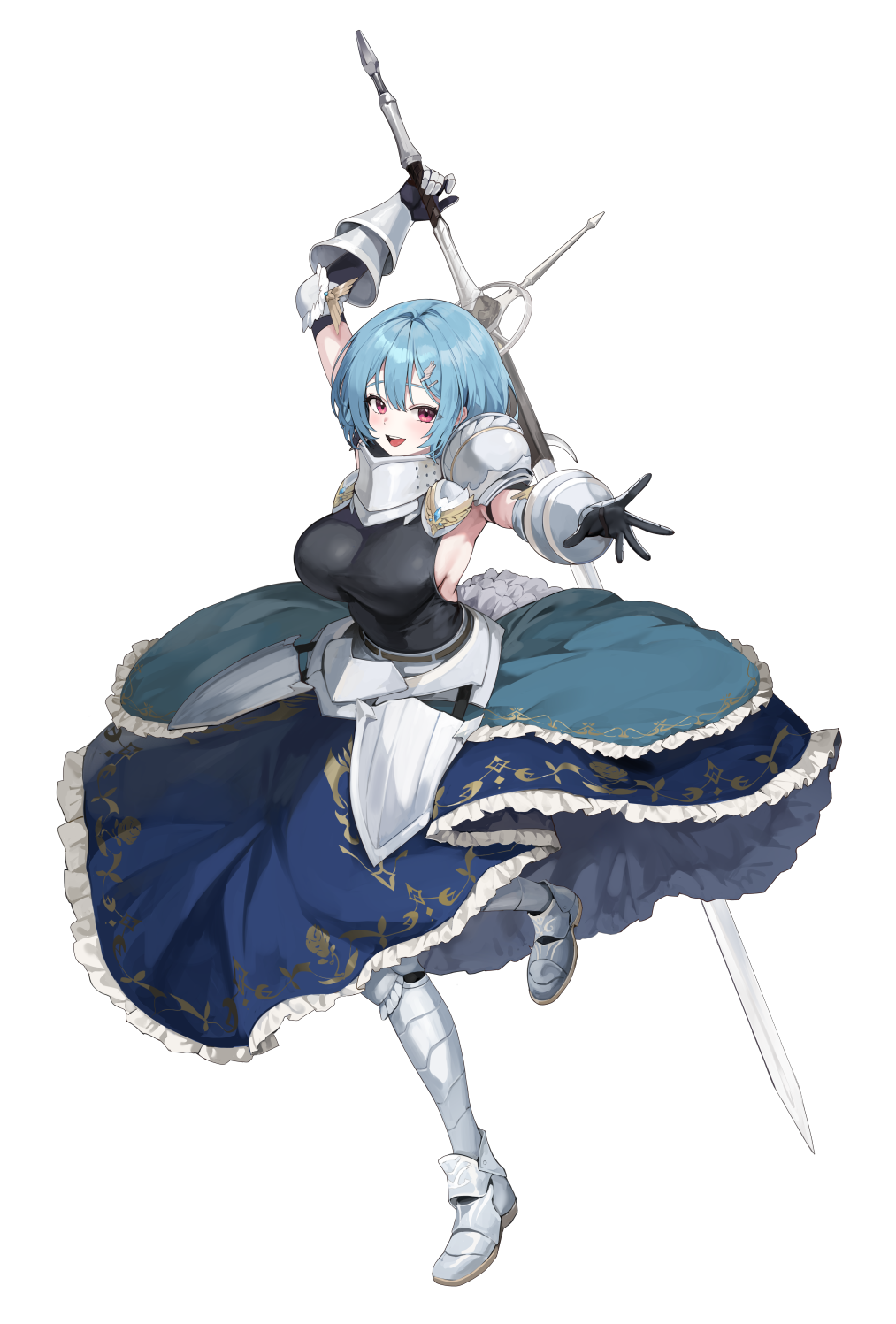
What sort of experience are you hoping for players to have when playing this game?
I often find myself mentioning Farland Saga 2, but looking back and playing it today, it was not a particularly difficult SRPG. The game flowed smoothly even without constant strategic calculation. Because of that, it was easy to immerse yourself in the story, and the way that story was delivered—through beautiful art and casual visuals—created a warm, heartfelt feeling that still feels precious to me.
STARDUST is different in terms of difficulty. It is a more challenging game, and players are required to think carefully about positioning, timing, and their choices in combat. However, what I hope remains the same is the emotional experience. Even as the gameplay demands focus, I want players to feel drawn into the world and story without friction.
Ultimately, STARDUST is my way of conveying the feeling I had as a five-year-old, sitting on my father’s lap and experiencing that game together. It is my own, unofficial tribute to Farland Saga, and a fleeting story meant to carry the past into the future.
The main gimmick of the combat is combining attacks. How was this conceived, and what's the design philosophy behind it?
When I was in elementary school, Yu-Gi-Oh! was hugely popular in my neighborhood. Almost every kid’s deck included Mystical Space Typhoon, and one of the biggest sources of fun was dramatically shouting “Cyclone!” whenever an opponent played a spell or trap card, interrupting their play. (I later learned that Mystical Space Typhoon doesn’t actually negate effects at all—so yes, we were playing it very wrong.)
Years later, while designing Nonsan Tactics during my military service, I started thinking about how to make one-on-one combat more engaging. That childhood memory came back to me, and I began wondering: what if cards could counter an opponent’s action in the same way you counter attacks in a fighting game?
From there, the idea evolved naturally. If a card action wasn’t countered, it felt right to reward the player. That led to the next thought: if fighting games allow players to chain attacks into combos, why not allow cards to do the same?
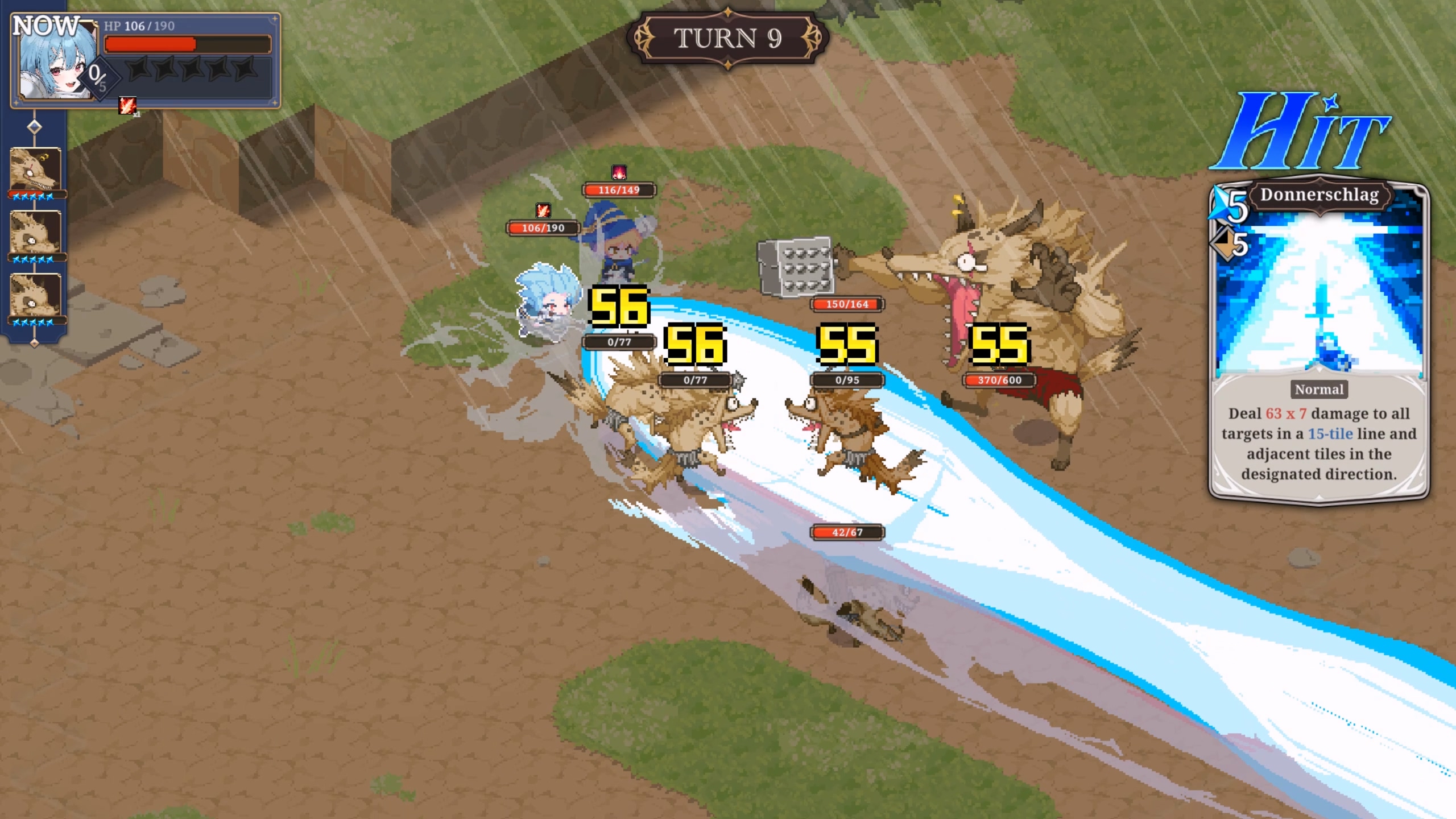
That line of thinking ultimately shaped STARDUST’s core combat system—the counter and combo mechanics—which encourage players to read their opponent’s intentions, react in real time, and build momentum through successful decisions.
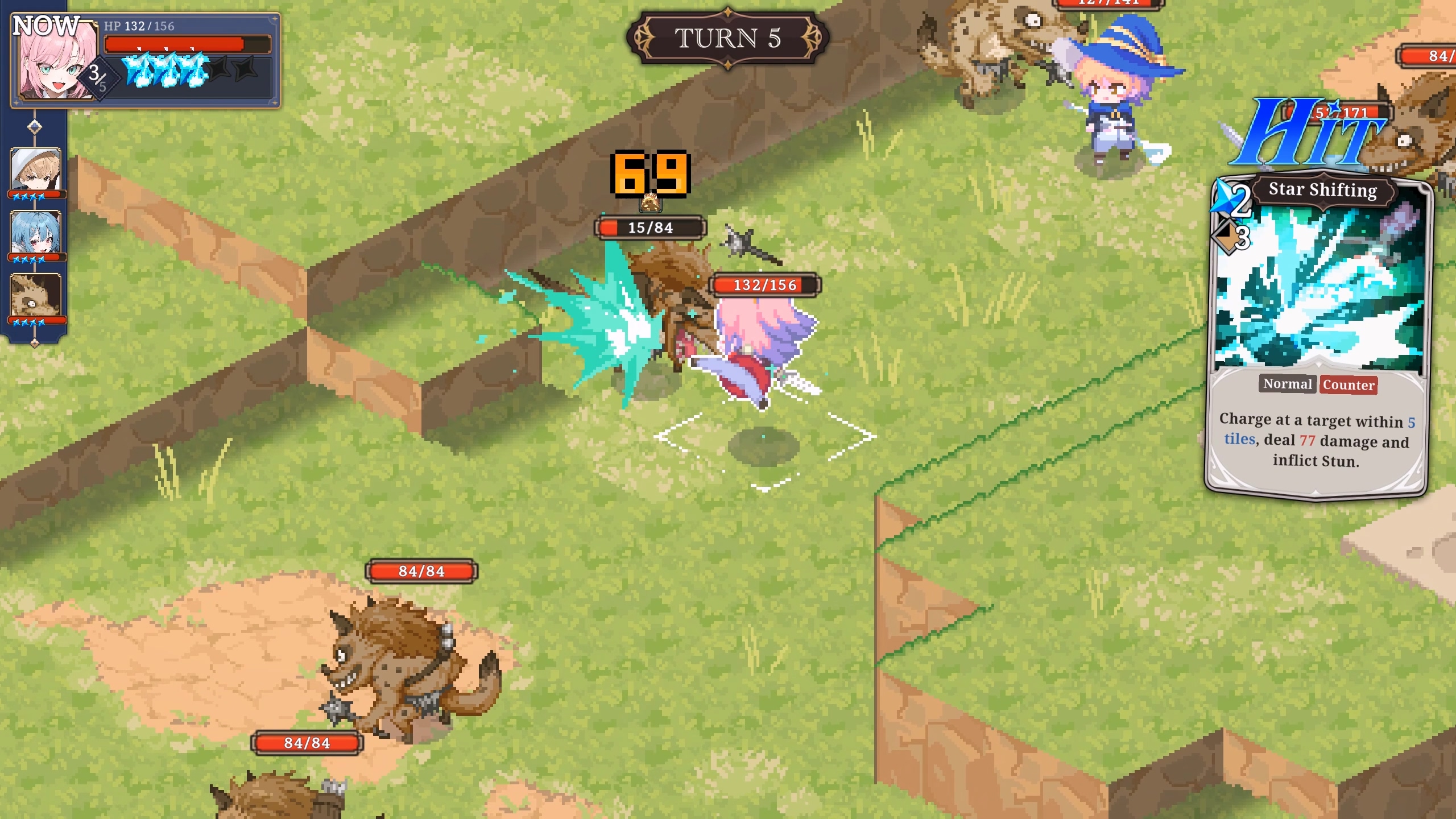
I did notice how attacks resembled playing cards, and this explains it. Is there anything else in STARDUST whose design stems from your interests or background over being something diegetic to the story's world?
That’s a sharp observation.
Visually, certain aspects of STARDUST’s presentation were definitely influenced by the Farland Saga series. However, from a gameplay perspective, many of the ideas came from the group card games I used to play during my school years—games like Halli Galli and UNO. Yu-Gi-Oh! was also a major influence.
There’s also a somewhat unexpected reference point: an old Adult Swim flash game called InuYasha: Demon Tournament. It left a stronger impression on me than I initially realized.
On a different note, my middle and high school years in Korea were heavily shaped by League of Legends. My friends and I used to debate something we jokingly called the “Malphite–Fiora argument.” The discussion centered around lane matchups—specifically, whether Malphite’s ultimate or Fiora’s W more effectively forces the opponent’s actions.
What fascinated me about that debate was the underlying idea: even though League of Legends appears to be a purely real-time game, it actually contains very clear “turn-like” structures. There are moments when key skills are on cooldown, and moments when certain abilities are guaranteed to land. If you look closely, real-time combat can often be reframed as a form of turn-based exchange.
When designing STARDUST, I often thought about the satisfaction of blocking Malphite’s ultimate with Fiora’s W—the timing, the mind game, the sense of decisive reversal. I wanted players to experience a similar feeling through the counter and combo systems. In that sense, some of STARDUST’s core mechanics stem less from the fictional world itself and more from the competitive tension and strategic debates that shaped my own gaming background.
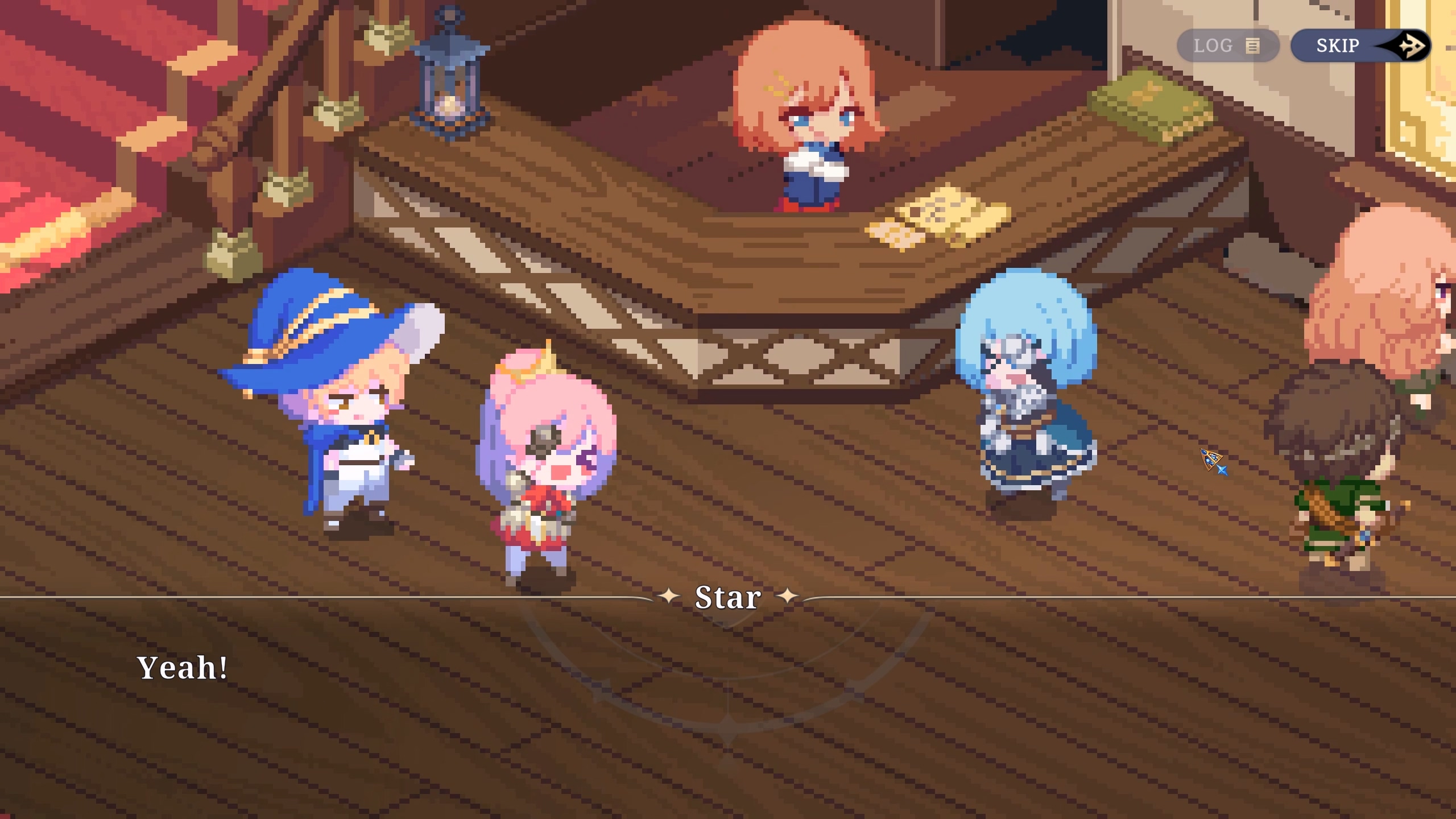
A merchant in the game says to the main characters, Star and Yu, that “age doesn't matter to him,” which, correct me if I'm wrong, is a very Korean-coded line, from what I understand about Korean emphasis on hierarchy by age. Has Korean culture had any additional influence on the setting?
I can’t say for certain whether that line came from an unconscious cultural bias simply because I’m Korean, but it wasn’t an intentional choice. When I first completed the entire scenario, I asked a Japanese friend of mine—who is fluent in Korean—to read through it. Afterward, he told me, “You’re clearly very influenced by Japanese animation, and that shows throughout the scenario. But at certain moments, it also feels very Korean.” Interestingly, he never told me which parts those were, even when I asked.
I didn’t fully understand it myself either. So if, while playing STARDUST, you happen to feel that something about it comes across as distinctly Korean, that impression is probably correct—simply because I am Korean.
As for the line “age doesn’t matter,” I’d like to think of it as a kind of personal reinterpretation of a strange feeling I’ve always had toward classic fantasy stories. In many of the JRPGs I grew up with, the protagonists are often extremely young—sometimes innocent, pure, or even cute. Yet the enemies they face are not just individual villains, but entire nations, military forces, systems, or even ideologies.
While writing STARDUST’s scenario, I kept asking myself, “Why do Star and Yu have to fight things like that at such a young age?” My own answer to that question is something I think is more fun for players to discover as they experience the story themselves, so I’d rather not take that enjoyment away by explaining it here.
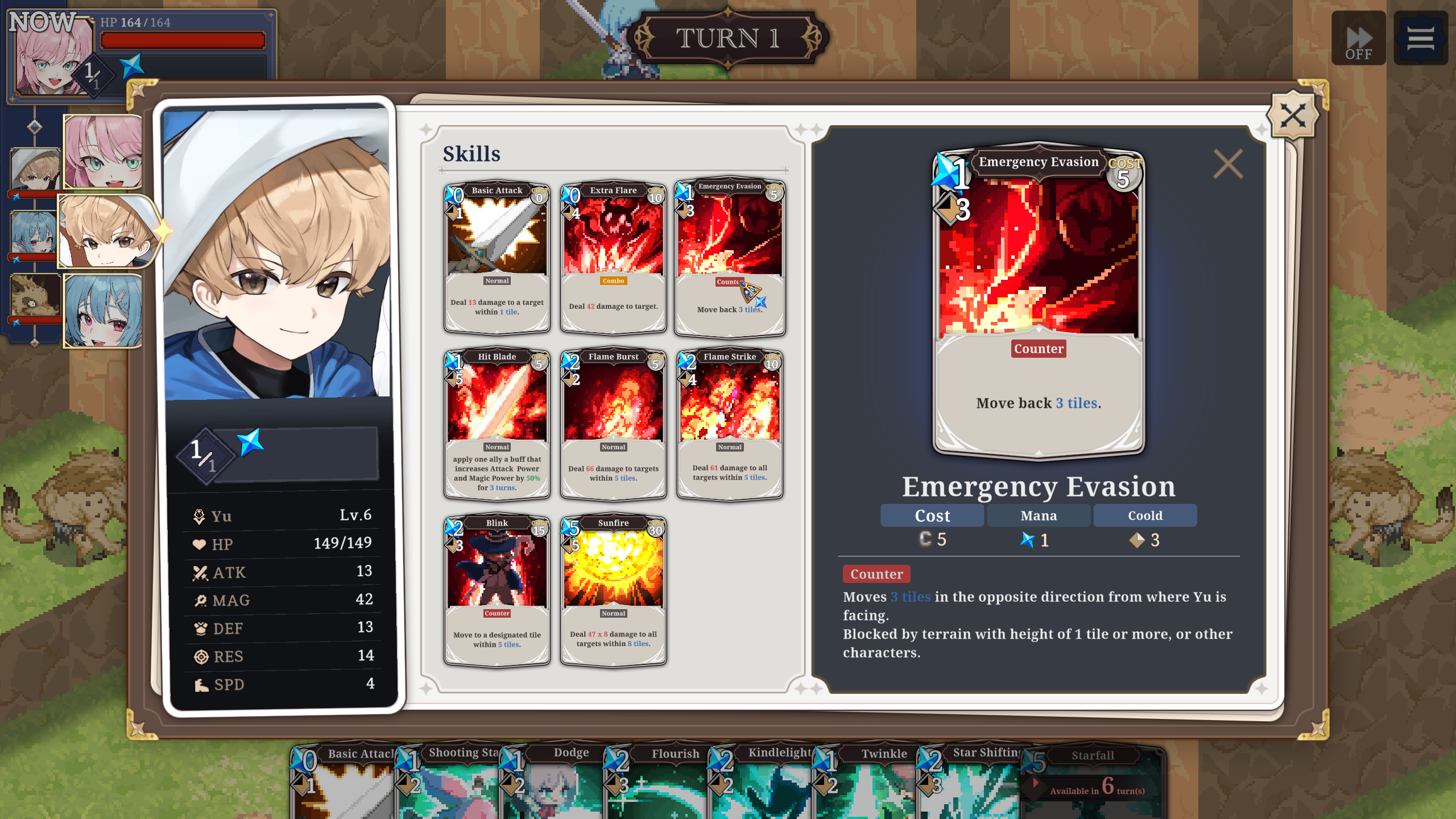
What's your past writing experience, if any?
[I have] been responsible for most of the narrative design and scenario writing for [STARDUST], including in-game dialogue, character arcs, and worldbuilding documents. Prior to this project, [my] writing experience was primarily within game development contexts rather than external publications.
As for [our producer, his role has] involved writing design documents, pitch decks, and public-facing materials such as store page descriptions and announcements, but not formal editorial writing.
From the first official trailer of STARDUST to the demo, the game looks to have had a number of changes. Some of these are improvements, like better character art, but there are more noteworthy changes, like how textboxes used to host character portraits, but not for the demo. What thought processes and decisions did you go through when making these changes throughout development?
That’s a very thoughtful observation—thank you for taking the time to compare the early trailer and the demo so closely.
You’re absolutely right that STARDUST has gone through several visible changes since the first official trailer. Some of them were quality upgrades, such as improved character art and animation polish. Others, like the removal of character portraits from the textboxes, were the result of deeper design discussions within the team.
In the early stages of development, we leaned more toward a traditional SRPG presentation style. Portraits inside textboxes were meant to emphasize character emotions in a familiar, genre-consistent way. However, as the project evolved, we realized that our full-frame pixel animations and cinematic direction were becoming one of STARDUST’s strongest identities.
Because of that, we began to question whether static portraits were redundant—or even limiting—when we already had expressive sprite acting on screen. Removing the portraits allowed the scene composition to feel cleaner and more immersive, and it gave more visual authority to the animated characters themselves.
STARDUST is available in eight languages other than Korean. How have you gone about translated it into these other languages?
We partnered with a professional content localization company in Korea. The head of our studio and the head of the localization company are personal friends, which allowed for close communication and helped ensure the translations remained faithful to the original intent and tone of the game.
Are there any plans for projects after STARDUST's release?
At Kniv Studio, our long-term focus is on creating games with strong direction and narrative. For us, the genre itself is less important than how the experience is delivered. As long as we can tell compelling stories and present them in a memorable way, we’re open to exploring a wide range of genres.
Looking ahead, we’ve discussed ideas such as a cooperative open-world crafting game, or even more systems-driven experiences like idle or incremental games. These are not fixed plans, but rather examples of the kinds of directions we’re interested in exploring once STARDUST is released.
That said, STARDUST itself is extremely important to us. We genuinely hope the game resonates with players and performs well, because we care deeply about this project and would love for its success to become the foundation that allows us to move forward with future titles.
In the more immediate future, our next step will likely be a PC game for Steam that can be developed and released within a relatively shorter timeframe. This approach would allow us to maintain momentum as a studio while continuing to refine our strengths in storytelling and direction.
Since card games like Yu-Gi-Oh! or Hearthstone played such an inspiration to STARDUST's combat, is there a chance a future project from the development team could be a card game?
Kniv Studio’s core development philosophy centers on two principles: a strong focus on narrative and high-quality direction.
When it comes to presentation, I often consider Hearthstone to be one of the highest benchmarks in terms of impact and feedback. From the moment a card appears on screen, to the activation of its effect, to the attack animation itself, every action carries a satisfying sense of weight and responsiveness. In some ways, I would even argue that the tactile satisfaction of Hearthstone surpasses that of many traditional fighting games.
To me, that level of impact is not just polish—it represents a kind of ideal that online card games should strive for. If we ever have the opportunity, I would absolutely like to develop a dedicated card game in the future. However, if we do, it would still follow our studio’s core philosophy: strong storytelling supported by memorable and deliberate presentation.
Is there anything else you'd like to say I haven't asked about?
I’d like to highlight that STARDUST is a game built around expressive combat, strong direction, and a carefully crafted presentation. From the counter and combo-based battle system to fully animated pixel cut-ins and story-driven cinematics, we focused on creating a tactical RPG that feels dynamic and engaging from start to finish.
For players who enjoy strategic decision-making, expressive pixel art, and story-focused experiences, I believe STARDUST offers something distinctive. We’re excited for players to finally experience the full version and see how all of these elements come together.
Do any of the other team members have anything they'd like to add or say?
I may have talked a little too much, so the rest of the team might have run away by now (laughs).
In all seriousness, though, everyone on the team is working incredibly hard on STARDUST. While I tend to be the one speaking in interviews, the game exists because of their dedication and talent.
We truly hope players look forward to the full release and experience the results of all that effort together.
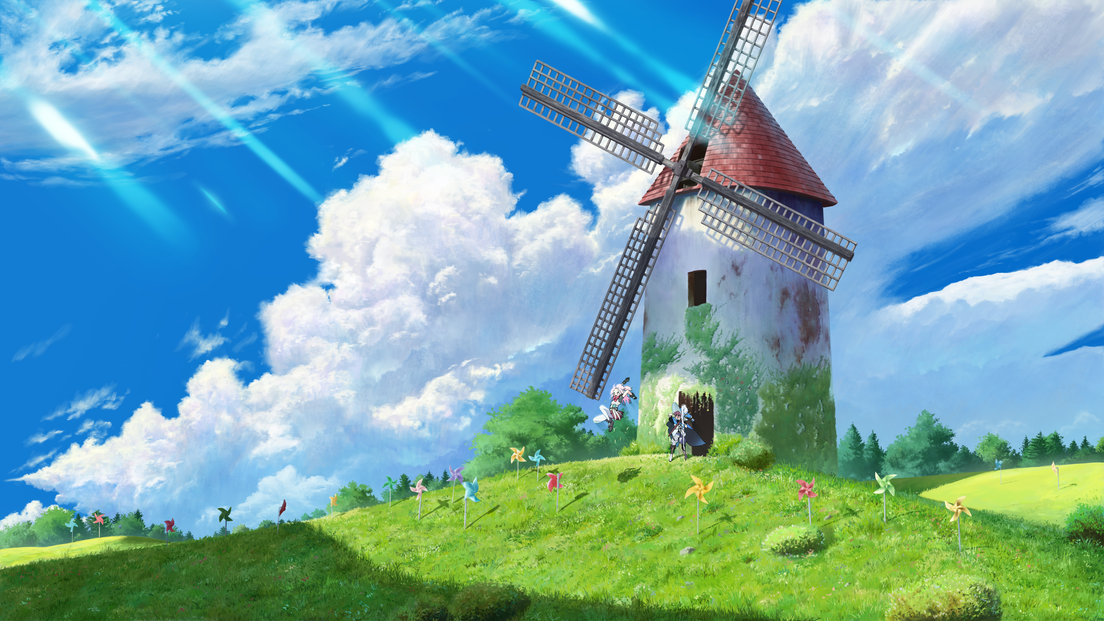
It's evident just how much of himself Junha Kim poured into STARDUST: Wish of Witch, and players can get a taste of his and the rest of Kniv Studio's artistry by playing the STARDUST demo, out now, and then it shouldn't be too much longer when the full game releases in Q2 of this year.
STARDUST: Wish of Witch can be wishlisted on Steam, Kniv Studio can be followed on Twitter, and trailers for STARDUST can be viewed on their YouTube channel.
We thank Junha Kim and Jonghyun Hong for their time and for telling us so much about this indie game and the minds behind it.

Just writing about the video games that tickle my fancy when the fancy strikes.
posted by Ross Liversidge on 17 Feb 2026
posted by Ross Liversidge on 13 Feb 2026
posted by Caitlyn C. Cooper on 02 Feb 2026
posted by Caitlyn C. Cooper on 31 Jan 2026
posted by Ross Liversidge on 30 Jan 2026
posted by Ross Liversidge on 27 Jan 2026
posted by Guest on 24 Jan 2026